
About CEEDS
CEEDS identifies and drives high-impact, hands-on projects that build students’ skills, experience and confidence. These opportunities emerge from real-world business and community challenges that take shape through:
- Internships
- Economic impact and feasibility studies
- Business and idea incubation
- On-campus events: workshops, panels, guest speakers and competitions.
Students harness Salem State’s academic strengths, rich data resources, sustainability focus, and contemporary tools like AI. Partnering with faculty and North Shore leaders, students take meaningful steps toward becoming future leaders by developing solutions that matter in a rapidly changing world.

Internships
Students work with local businesses and non-profits to advance real-world ideas forward while earning academic credit and getting paid
Studies
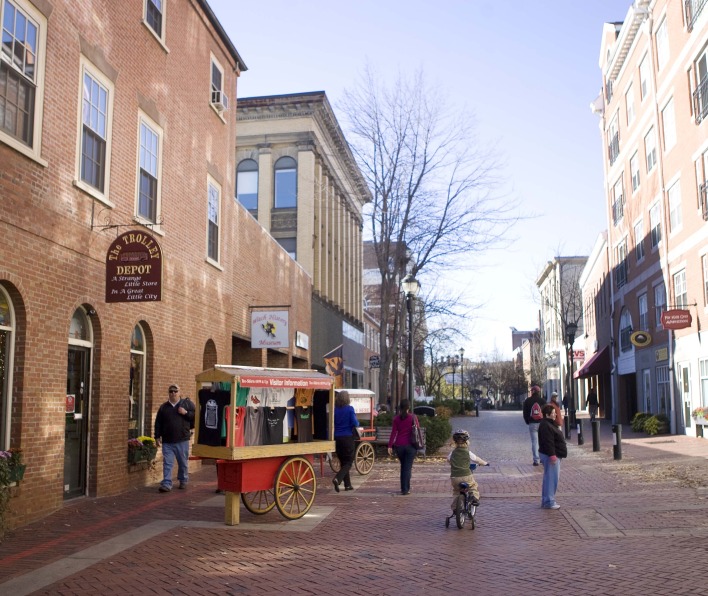
Students collaborate with faculty to produce economic impact and feasibility studies affecting policy, organizations and citizens of the North Shore community.
Incubating Ideas
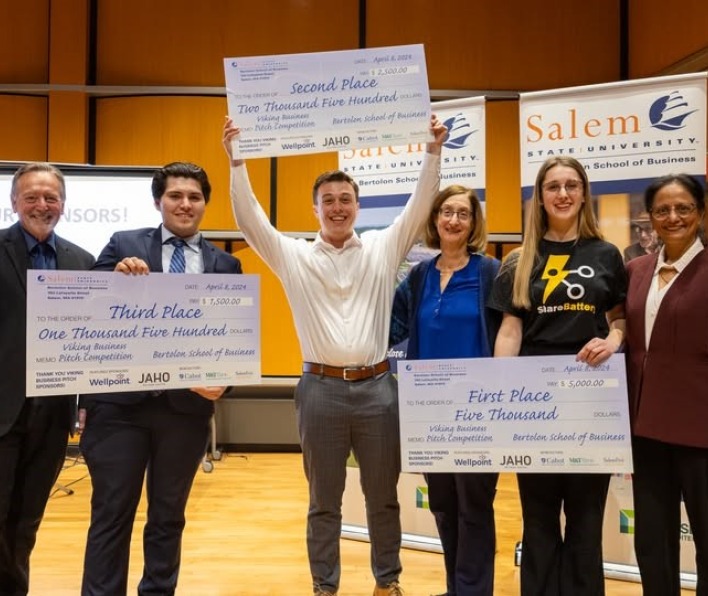
Experienced business, community leaders and faculty mentor student teams to become successful entrepreneurs. For example, the Viking Business Pitch competition draws students from across departments at Salem State.
Events
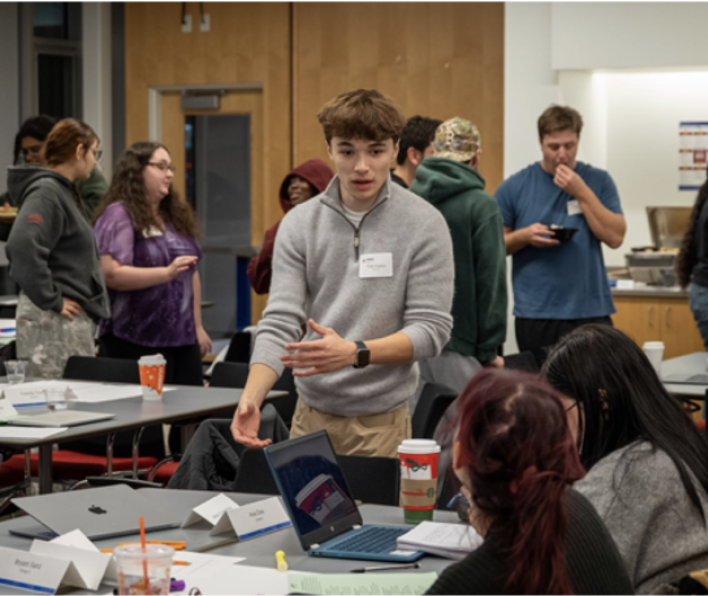
Students participate in business-sponsored workshops, hackathons, panel discussions, and in-class guest lectures that build professional skills and complement course learnings.
Sustainability for Businesses and Specific Programs
CEEDS projects and activities reflect Salem State’s commitment to sustainability through deliberate and measurable integration of environmental stewardship, social equity and economic integrity into teaching, research, entrepreneurship and community engagement.
It reflects the belief that entrepreneurial and economic initiatives must meet the needs of the present without compromising the ability of future generations to meet their own (World Commission on Environment and Development [WCED, 1987]). Grounded in the United Nations Sustainable Development Goals (SDGs), CEEDS advances innovation and promotes ecological balance, inclusive prosperity and institutional resilience.
- Present Impact and Community Value: Activities should create tangible value, opportunity or resilience for Salem State, the North Shore community, or partner communities through ethical entrepreneurship and responsible and inclusive innovation.
- Examples: Community-based learning, local or regional public policy development, venture incubation addressing local needs, or workforce development programs.
SDG Alignment: SDG 8 - Decent Work and Economic Growth, SDG 9 - Industry, Innovation and Infrastructiure, SDG 10 - Reduced Inequalities.
- Examples: Community-based learning, local or regional public policy development, venture incubation addressing local needs, or workforce development programs.
- Future Stewardship and Long-Term Viability: Initiatives must preserve environmental, social or economic resources for future generations by embedding sustainability principles in all decision-making.
SDG Alignment: SDG 11 - Sustainable Cities and Communities, SDG 12 - Responsible Consumption and Production, SDG 13 - Climate Action. - Three-Pillar Integration - Programs should integrate the three interdependent pillars of sustainable development (environmental integrity, social inclusion and economic vitality) through interdisciplinary collaboration and applied research.
Examples: Courses linking businesses, environmental science and social justice; community projects co-led by students and local organizations.
SDG Alignment: SDG 4 - Quality Education, SDG 11 - Sustainable Cities and Communities, SDG 17 - Partnerships for the Goals. - Commitment to SDG Principles - Activities must demonstrate measurable commitment to specific CDG targets that promote inclusivity, climate resilience and institutional responsibility:
SDG 5 - Gender Equality
SDG 8 - Decent Work and Economic Growth
SDG 9 - Industry, Innovation and Infrastructure
SDG 10 - Reduced Inequalities
SDG 11 - Sustainable Cities and Communities
SDG 12 - Responsible Consumption and Production
SDG 13 - Climate Action
SDG 16 - Peace, Justice and Strong Institutions
SDG 17 - Partnerships for the Goals
SSU Reference: Sustainability at Salem State
Accountability and Measurable Impact - Each qualifying initiative must include defined objectives, performance metrics and transparent reporting consistent with the SDG Compass Model (UN Global Compact, Global Reporting Initiative [GRI], and World Business Council for Sustainable Development [WBCSD], 2015).
Examples: Annual sustainability reports, CEEDS dashboards or student portfolios documenting SDG outcomes.
CEEDS is committed to fostering a culture of sustainability across all aspects of the Salem State University experience. This commitment extends beyond compliance to embody the spirit of continuous improvement and innovation.
Specifically, CEEDS will:
- Champion education for sustainable development (ESD) by embedding sustainability literacy, systems thinking and ethical decision-making across its entrepreneurship curriculum.
- Advance the university’s sustainability mission by supporting campus initiatives under Goal IV: Environmental Stewardship and Climate Action and Goal VII: Financial Vitality and Sustainability (Salem State University, n.d.-a).
- Build strategic partnerships with regional businesses, non-profits, and public institutions to speed up North Shore economic and environmental resilience.
- Empower students and faculty to become change agents who translate the UN SDGs into actional projects with measurable community impact.
- Demonstrate institutional accountability through annual reporting, impact tracking and alignment with Salem State’s Sustainability Seal recognition program (Salem State University, n.d.-b).
References
Salem State University (n.d.-a). Mission, values and strategic plan. (link)
Salem State University. (n.d.-b). Sustainability at Salem State. (link)
Salem State University (n.d.-c). Sustainability commitments and goals. (link)
UN Global Compact, Global Reporting Initiative (GRI), & World Business Council for Sustainable Development (WBCSD). (2015). SDG Compass: the guide for business action on the SDGs. https://sdgcompass.org/
World Commission on Environment and Development (WCED). (1987). Our common future. Oxford University Press.
More About CEEDS
Mission
To foster innovation, sustainable business development, and economic resilience by empowering students, entrepreneurs, and the community through education, research, and support.
Vision
To be a leading hub for entrepreneurship and sustainable economic development on the North Shore, equipping the next generation fo business leaders to drive impactful change in their communities.
CEEDS Values
- Innovation and entrepreneurship
- Environmental stewardship and sustainability
- Community engagement and civic responsibility
- Interdisciplinary collaboration
- Social equity and inclusion
- Data-driven, evidence-based decision making
- Lifelong learning and student empowerment
- Ethical practices and integrity
Entrepreneurial education and training
- Mentorship program
- Entrepreneurship and sustainability minors
- Workshops, boot camps, and certificate programs (SBDC, BSB, GIS)
- Startup simulations, case studies and real-world projects
Student engagement and leadership development
- Student-led clubs (SAIL, DECA, Toastmasters)
- Mentorship program
- Annual Viking Business Pitch Competition
- Paid internships (through grants or external contracts)
Business incubation and acceleration program
- Co-working space for students and community startups (entrepreneurship center)
- Partnerships with venture capitalists and angel investors to support early-stage ventures
Regional economic development
- Faculty and student consulting for small businesses and local/stage agencies
- Seed funding initiatives for local entrepreneurs
- Research partnerships with government and economic development organizations
- Development of supply-chain management databases and resources
Networking and partnerships
- Speaker series and entrepreneurship panels
- Business partnerships for internships and project-based learning
- Collaboration with regional industry and nonprofit partners
Sustainability initiatives
- Research and consulting on renewable energy and responsible business practices
- Advocacy and education promoting sustainable economic development
The Salem State University Center for Entrepreneurship links the Bertolon School of Business, the College of Arts and Sciences, the College of Education, and the College of Human Services. Our mission is to encourage and support creativity and innovation across the campus community through entrepreneurial programs and activities.
We believe that the economic future of our local community rests firmly both on the businesses that abound in this area and on the new ventures that Salem State students and others will establish here. Our mission is to support those business ventures and the academic, commercial, governmental, and not-for-profit groups that work with them through educational research and consulting efforts in order to sustain and encourage entrepreneurial activity throughout the community.
We recognize that not every entrepreneur launches a business, and not every company founder studied business. We are here to link your passion with your practice and provide programming and resources for you to develop tools that will help make you successful – in whatever path you choose.
Students: Find out how to turn your passion into a profitable career through academics, networking, and our technical support. Come to our networking events and our non-credit workshops, join our student entrepreneurship organizations, and connect to our other programs. Sign up for our mentoring program that pairs you with an alumni business owner or a local business. Consider taking a special entrepreneurship course designed for non-business students. Investigate an entrepreneurship minor.
Faculty: Come to us for help integrating entrepreneurship into your courses or for help connecting your research interests to partners in our network. We can provide workshops, course materials, faculty grants, networking opportunities, research assistance, and a robust amount of other assistance to you. We will connect you with a guest lecturer, a research partner, an internship site, or a teaching idea.
Community Members: If you are an entrepreneur and want to connect to our faculty and students, we can help make that happen. Our faculty engage with you in a wide variety of ways – from designing consulting projects that delivered over $1 million of no-cost professional services to the community to facilitating student internship placements and action research projects.
Contact Us
Contact Us
71 Loring Avenue
Salem, MA 01970
352 Lafayette St.
Salem, MA 01970